




Eye Exam,Eye Health,Featured,Medical News,Retina,What's New
Central vision is the silent narrator of our daily lives. It is the clarity that allows you to recognize a grandchild’s smile across a room, thread a needle for a quick repair, or read the precise time on a grandfather clock. This vital focus is powered by the macula—a tiny but mighty part of the retina—which is the primary target of Age-Related Macular Degeneration (AMD).
Because AMD is often a “silent” disease, it can begin to erode your sight long before you notice a single symptom. To safeguard your independence, you must look beyond the blur. Here are five actionable insights that every adult needs to know to preserve their vision.
1. Outsmarting the Brain’s “Fill-in” Trick: The 10-Second Daily Ritual
One of the most dangerous aspects of AMD is how the brain reacts to vision loss. Because the damage is often gradual, your brain tries to be helpful by “filling in” missing gaps or compensating for blind spots. This neurological trickery means you might not realize you are losing sight until the damage is extensive.
To outsmart your own biology, ophthalmologists recommend the Amsler grid. This simple tool—a square grid with a central dot—acts as a diagnostic “tripwire.” By checking it daily, you can catch the subtle shifts your brain is trying to hide.
The Protocol:
- Test each eye individually.
- Look for lines that appear wavy or bent (where they should be straight).
- Identify areas that look dark, blurry, or have blank “holes.”
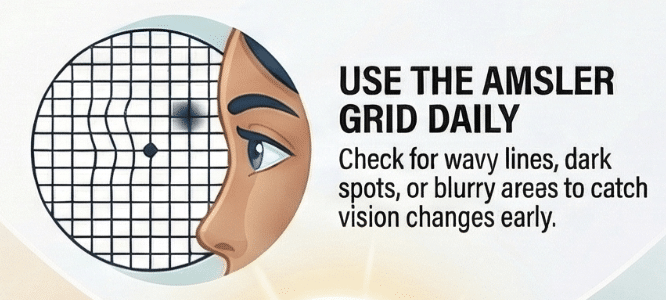
If you notice any of these changes, the medical directive is clear: contact your ophthalmologist right away.
As the American Academy of Ophthalmology emphasizes: Doing this simple at-home eye test once a day, every day can help save your vision.
2. The “20-Year Reset” and the Power of Three
Lifestyle choices are often framed as general wellness advice, but for AMD, the data is startlingly specific. Your daily habits can either double your risk or act as a biological shield.

- The Smoking Double-Down: Smokers are twice as likely to develop AMD, and if they have it, the disease progresses much faster. However, there is a “20-year reset”: individuals who quit smoking 20 years ago effectively return to the same risk baseline as those who never smoked.
- The “Power of Three”: Physical activity isn’t just for heart health. Studies show that exercising three times a week specifically reduces the risk of developing “wet” AMD—the more aggressive form of the disease.
- Food vs. Supplements: A critical distinction exists for Omega-3 fatty acids. While high levels are linked to reduced risk, clinical trials show this benefit comes from eating nutrient-dense foods, not from taking fish oil capsules.
The Eye-Healthy Shopping List: Focus on cold-water fish (salmon, tuna), citrus fruits, and leafy greens like kale, spinach, and broccoli.
3. Multivitamins aren’t enough
A common misconception in the wellness world is that “eye vitamins” can prevent AMD. The truth is more nuanced. The standard AREDS 2 vitamin formula is a targeted medical treatment, not a preventative measure for healthy eyes.
Clinical trials have proven that AREDS 2 can slow the progression of the disease in people who already have Intermediate AMD or Geographic Atrophy (late-stage dry AMD) in at least one eye. However, these vitamins have not been shown to prevent the disease from starting in the first place. Starting these supplements without a professional diagnosis is not only ineffective but potentially unnecessary. A comprehensive exam is required to determine if your disease stage warrants this specific regimen.

4. Bridging the “Real World” Treatment Gap
In a controlled clinical trial, the success of Anti-VEGF injections is miraculous: more than 90% of patients maintain their vision. However, in the “real world,” that success rate drops.
The reason for this disparity is the “treatment burden.” Standard therapy for wet AMD currently requires an injection into the eye every one to two months. For many, especially those managing other health conditions or relying on others for transportation, this schedule is grueling. When injections are missed, the resulting vision loss is often permanent.
This gap is the primary focus of modern research. We are moving toward “durable” therapies that stay active in the eye longer, reducing the frequency of visits.

5. The Next Frontier: Toward “One-and-Done” Cures
We are currently witnessing a revolution in retinal care, moving away from chronic management toward long-term stability.
- Gene Therapy: Researchers are investigating “one-and-done” treatments where a single injection helps the eye become its own “medicine factory,” internally producing Anti-VEGF proteins for years.
- Stem Cell Transplants: For those with advanced Geographic Atrophy, scientists are testing the transplantation of stem cells to replace retinal cells that have already died.
The Future of Sight
Just 15 years ago, a diagnosis of wet AMD was nearly synonymous with blindness. Today, advanced therapies and vigilant monitoring have made it highly manageable. The key to success lies in early detection and ongoing care.
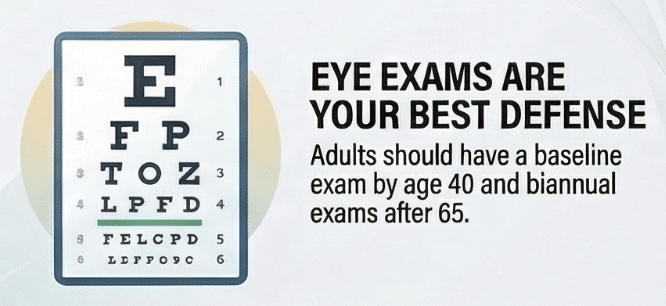
Your sight is more than vision—it’s connection, independence, and memory. Take 10 seconds a day to protect it, and schedule regular exams with trained specialists who can detect AMD before the brain fills in the gaps.
The American Academy of Ophthalmology recommends baseline eye exams by age 40, and every 1–2 years for those 65 and older.
At North Toronto Eye Care, our medical retina team specializes in the diagnosis, imaging, and treatment of macular degeneration. Whether through advanced imaging technology, customized treatment plans, or participation in clinical trials, we’re helping patients move beyond the blur and preserve the moments that matter most.
Book your comprehensive eye exam today to protect your macula and your future vision.
References
- https://www.aao.org/eye-health/tips-prevention/facts-about-amsler-grid-daily-vision-test
- https://www.aao.org/eye-health/tips-prevention/six-things-about-amd
- https://www.aao.org/eye-health/tips-prevention/promising-new-treatments-amd