



Cataract,Dry Eye,Eye Exam,Eye Health,Featured,Macular Degeneration,Retina
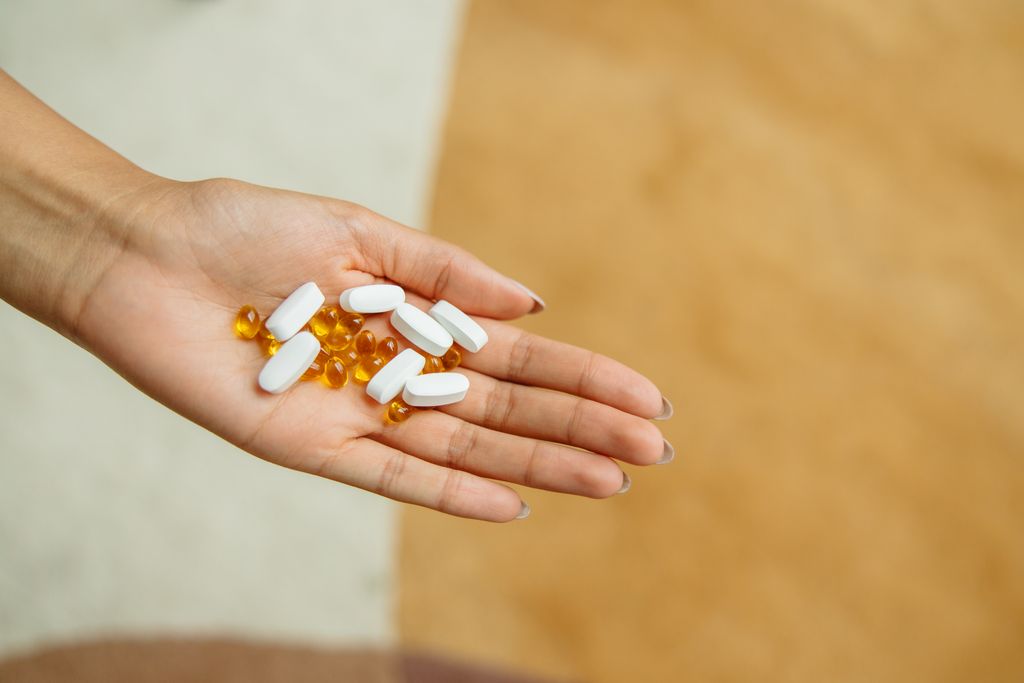
Walk into almost any pharmacy and you will find supplements marketed for sharper vision, healthier eyes, dry eye relief, cataract prevention, or protection against age-related macular degeneration (AMD).
Some products are supported by strong clinical evidence. Others rely mainly on attractive packaging and broad claims such as “supports eye health.” The truth is that eye supplements are not all the same—and taking more vitamins does not automatically mean having healthier eyes.
For some people with specific retinal findings, a carefully selected formulation can help slow vision loss. For most people, however, a balanced diet, regular eye examinations, and appropriate treatment of eye disease are more important than taking a general “eye vitamin.”
What Are Eye Supplements?
Eye supplements are oral products containing vitamins, minerals, carotenoids, omega-3 fatty acids, or herbal ingredients. They may be sold as capsules, tablets, gummies, or powders.
Common ingredients include:
- Lutein and zeaxanthin.
- Vitamins C and E.
- Zinc and copper.
- Beta-carotene.
- Omega-3 fatty acids.
- Bilberry, saffron, turmeric, or other botanical ingredients.
The presence of an ingredient does not prove that the product prevents or treats an eye condition. The important questions are:
AREDS2 and Age-Related Macular Degeneration (AMD)
The strongest evidence for an eye supplement comes from the Age-Related Eye Disease Study (AREDS) and AREDS2.
These large National Eye Institute clinical trials studied whether high-dose antioxidant and mineral supplements could slow AMD progression. The evidence showed that an AREDS-type formula reduced the risk of progressing from intermediate AMD to advanced AMD by approximately 25 percent. However, the supplements did not prevent AMD from developing in people who did not already have the disease, and they did not reverse existing vision loss.
Who may benefit?
AREDS2 is generally considered for people with:
- Intermediate AMD in one or both eyes.
- Advanced AMD in one eye and earlier AMD in the other eye.
It is not routinely recommended for people with healthy maculae or early AMD alone. The correct recommendation depends on the appearance of the retina, the presence and size of drusen, pigmentary changes, and whether advanced AMD has affected one eye.
A dilated eye examination by a retina specialist and advanced retinal imaging can help determine whether AREDS2 is appropriate.
What is in the AREDS2 formula?
The formulation used in the AREDS2 study contains:
| Nutrient | Daily amount |
|---|---|
| Vitamin C | 500 mg |
| Vitamin E | 400 IU |
| Zinc | 80 mg |
| Copper | 2 mg |
| Lutein | 10 mg |
| Zeaxanthin | 2 mg |
These are research-level doses, not ordinary daily multivitamin amounts. The formula should be used when clinically indicated rather than taken automatically by everyone.
Why beta-carotene matters
The original AREDS formula contained beta-carotene. AREDS2 replaced beta-carotene with lutein and zeaxanthin because beta-carotene was associated with an increased risk of lung cancer in current and former smokers. Current or former smokers should avoid AREDS products containing beta-carotene and discuss the appropriate formulation with their eye doctor.
Supplements for Cataracts?
At present, there is no reliable evidence that any supplement prevents cataracts or eliminate the need for cataract surgery. The AREDS trials found no meaningful effect on cataract development or cataract surgery.
A healthy diet may support general health, but cataracts are primarily associated with aging and other risk factors, including ultraviolet exposure, diabetes, smoking, certain medications, and previous eye injury. When a cataract begins to interfere with reading, driving, work, or daily activities, cataract surgery—not a supplement—is the treatment that restores the cloudy lens.
Supplements for Macula Health
Lutein and zeaxanthin are carotenoids found in the macula, the central area of the retina responsible for detailed vision. They are found naturally in foods such as:
- Kale, spinach, and other dark leafy greens.
- Broccoli and peas.
- Corn.
- Egg yolks.
- Orange and yellow vegetables.
These nutrients are included in AREDS2 because they can be useful as part of the specific AREDS2 formula for patients at risk of advanced AMD. However, taking lutein alone does not guarantee protection from AMD, and there is no evidence that it can restore vision already lost from macular disease.
A diet rich in vegetables, fruit, legumes, whole grains, and fish is generally a better foundation for long-term health than relying on high-dose supplements.
Supplements for Dry Eye and Omega 3
Omega-3 supplements are frequently promoted for dry eye disease and meibomian gland dysfunction. Although omega-3 fatty acids are important nutrients, clinical evidence for fish-oil supplements in dry eye has been inconsistent.
In the large, randomized DREAM trial, people with moderate-to-severe dry eye who took a high daily dose of omega-3 showed improvement—but those taking the placebo also improved. There was no significant difference between the two groups in dry eye symptoms or clinical signs.
This does not mean that every person will respond identically. It does mean that omega-3 supplements should not be considered a proven stand-alone treatment for dry eye.
Dry eye care may instead involve a combination of:
- Preservative-free artificial tears.
- Warm compresses and eyelid hygiene.
- Treatment of blepharitis or Demodex.
- Management of meibomian gland dysfunction.
- Prescription anti-inflammatory therapy.
- In-office procedures when appropriate.
- Changes to screen habits, airflow, and environmental exposures.
The best treatment depends on the cause of the dry eye, which is why an ocular-surface assessment is important.
Why “Natural” Does Not Always Mean Safe
Supplements can cause side effects and interact with prescription medications.
Potential concerns include:
- High-dose zinc may cause nausea or contribute to copper deficiency if copper is not included.
- Vitamin E may increase bleeding risk in some people, particularly when combined with blood-thinning medication.
- Herbal ingredients may affect blood pressure, blood sugar, sedation, or drug metabolism.
- Fish-oil supplements may be unsuitable for some people with bleeding disorders or medication-related bleeding risks.
- High-dose products may be inappropriate for people with kidney disease, liver disease, or other medical conditions.
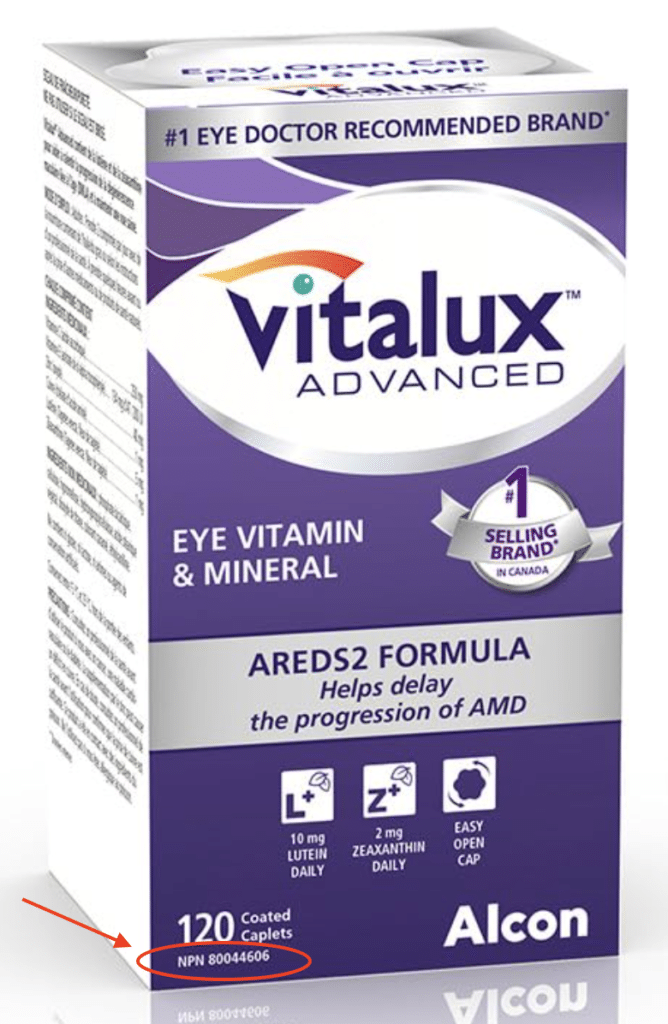
In Canada, licensed natural health products can be identified by an eight-digit Natural Product Number, or NPN. Health Canada’s Licensed Natural Health Products Database provides information about a product’s ingredients, recommended use, and safety warnings. An NPN does not mean that a product is right for every patient, so it is still important to review the product with a healthcare professional.
Choosing an Eye Supplement Wisely
Before purchasing an eye supplement, consider the following:
- Know what condition you are trying to address. A supplement for intermediate AMD is not the same as a product marketed for dry eye or general eye health.
- Ask your eye care provider on your specific diagnosis. Research on AREDS2 cannot automatically be applied to glaucoma, cataracts, dry eye, or optic nerve disease.
- Check the exact ingredients and doses. Different products may use similar names but contain very different formulations.
- Avoid beta-carotene if you currently smoke or previously smoked. Ask whether an AREDS2 formulation without beta-carotene is more appropriate.
- Review medications and health conditions. Your family doctor, pharmacist, optometrist, or ophthalmologist can help identify potential interactions.
- Do not use supplements over treatment. Supplements should never delay assessment of new blurred vision, distortion, flashes, floaters, pain, or field loss.
Diet, Lifestyle, and Regular Eye Care
Supplements are only one small part of protecting vision. Evidence-based eye health also includes:
Eye supplements are neither a miracle cure nor universally unnecessary. AREDS2 has a well-established role for people with intermediate or certain forms of advanced AMD, where it may slow progression to advanced disease. It does not prevent AMD in healthy eyes, reverse vision loss, cure cataracts, or replace treatment for dry eye.
If you are considering an eye supplement, bring the bottle or product label to your appointment. At North Toronto Eye Care, our comprehensive ophthalmology and retinal care teams can assess your eye health, review your risk factors, and help determine whether a supplement is appropriate for you.
References
- National Eye Institute. AREDS/AREDS2 Clinical Trials: Major Findings. Updated October 22, 2025.[nei.nih]
- National Eye Institute. AREDS2 Supplements for Age-Related Macular Degeneration.[nei.nih]
- The Age-Related Eye Disease Study 2 Research Group. Lutein + zeaxanthin and omega-3 fatty acids for age-related macular degeneration. JAMA. 2013;309(19):2005–2015.[clinicaltrials]
- The Dry Eye Assessment and Management Study Research Group. n–3 Fatty Acid Supplementation for the Treatment of Dry Eye Disease. New England Journal of Medicine. 2018;378:1681–1690.[nei.nih]
- National Eye Institute. Omega-3s from fish oil supplements no better than placebo for dry eye. April 13, 2018.[nei.nih]
- National Center for Complementary and Integrative Health. Dietary Supplements for Eye Conditions.[nccih.nih]
- Health Canada. Licensed Natural Health Products Database.[canada]