



cornea,Dry Eye,Eye Exam,Eye Health,Featured,Medical Technology
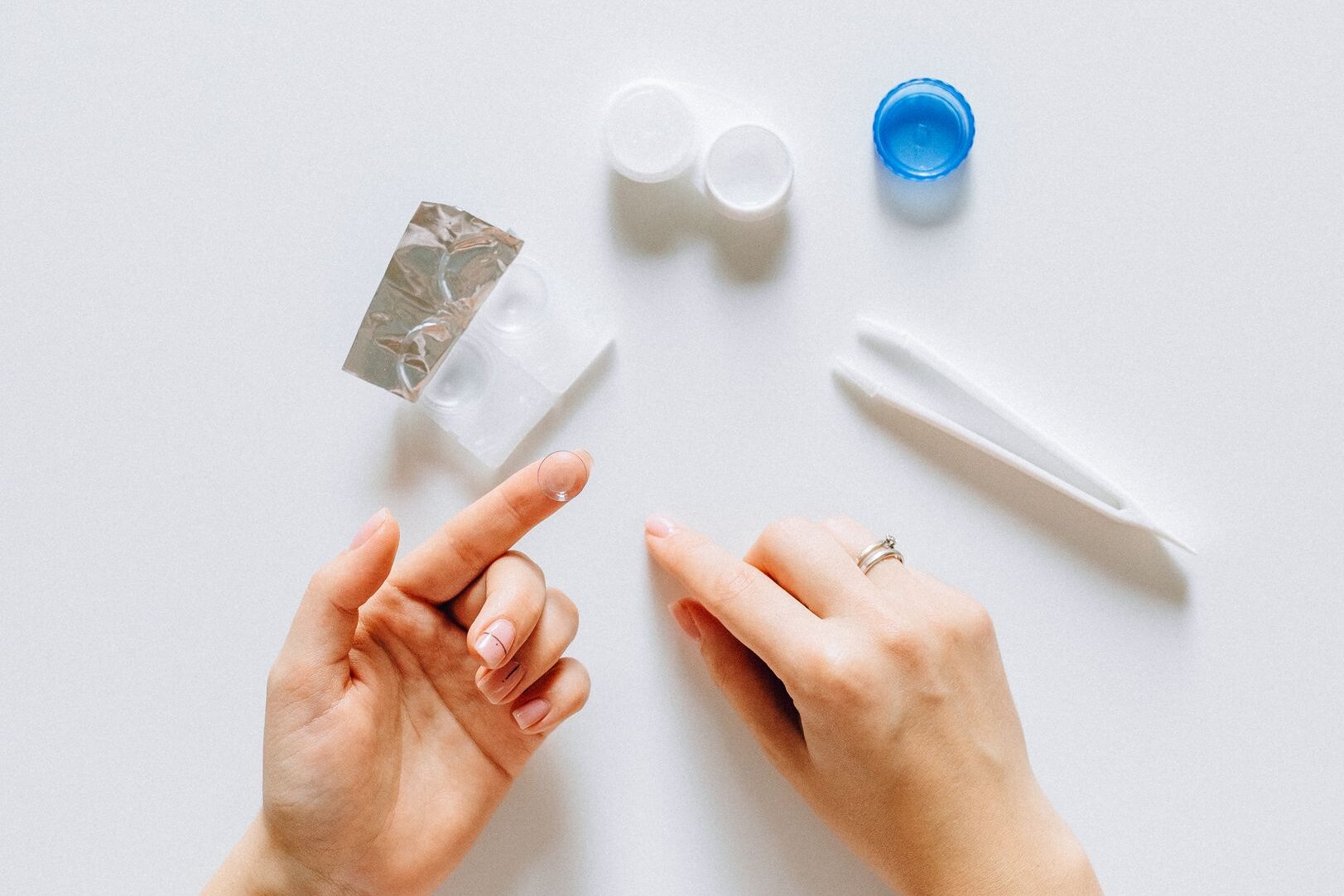
If you wear contact lenses and often feel dryness, grittiness, or end-of-day discomfort, you’re not alone. Contact lens wear is one of the most common triggers of dry eye symptoms, and it happens through well-understood changes to your tear film and eyelid glands.
How contact lenses disrupt the tear film
A healthy tear film has three layers—oil (lipid), water (aqueous), and mucus (mucin)—that work together to keep the eye smooth, clear, and comfortable. When you place a contact lens on the cornea, it physically splits this single tear film into two thinner layers: a pre‑lens tear film (between the lens and the air) and a post‑lens tear film (between the lens and the cornea).
This division has several consequences:
- The pre‑lens tear film becomes much thinner and its lipid layer is reduced, which makes tears evaporate faster.
- Tear break‑up time shortens dramatically
- Tear osmolarity rises, creating a hyperosmolar environment that irritates the ocular surface and fuels inflammation.
- Mucins and proteins deposit on the lens surface, altering the normal tear–lens interface and further destabilizing the film.
Together, these changes mean the eye’s natural moisture layer is less stable, evaporates more quickly, and becomes more irritating—classic drivers of dry eye.
Oxygen, friction, and lens water content
Even with modern high‑oxygen (silicone hydrogel) materials, a contact lens still limits oxygen reaching the cornea compared with a bare eye. Reduced oxygen can stress corneal cells and worsen comfort, especially with long daily wear.
In addition:
- The lens creates friction against the ocular surface with each blink, which can trigger foreign‑body and dryness sensations.
- Soft lenses need water to maintain their shape; some materials draw moisture from the tear film, especially if tear volume is already low.
- Poorly fitted or low‑quality lenses can exacerbate these effects by increasing mechanical irritation and tear absorption.
Impact on the meibomian glands
The meibomian glands in your eyelids produce the oily layer that slows tear evaporation. Contact lens wear is associated with:
- Altered meibum quality and reduced lipid expression onto the ocular surface.
- Increased tear evaporation, particularly in people who already have meibomian gland dysfunction (MGD).
- Structural changes over time, including meibomian gland dropout (loss of functional glands), which can become irreversible with long‑term wear.
Proposed mechanisms include mechanical pressure from the lens edge on the lid margin, plugging of gland orifices by shed epithelial cells, and chronic low‑grade inflammation. Once MGD develops, the lipid layer thins further, accelerating evaporation and creating a vicious cycle of dryness and irritation.
Who is most at risk?
Not every contact lens wearer develops significant dry eye, but risk is higher if you have:
- Pre‑existing dry eye or MGD
- Long daily wear times
- Low‑humidity environments, heavy screen use (reduced/ incomplete blinking), or high air flow (fans, AC)
- Hormonal changes (e.g., menopause), certain medications (antihistamines, antidepressants, isotretinoin), or systemic conditions (e.g., Sjögren’s)
What you can do: practical steps for contact lens wearers
If you love your contacts but struggle with dryness, these strategies can help:
In some cases, transitioning part‑time to daily disposables, or alternating with glasses, significantly improves comfort while preserving the benefits of contact lens wear.
When to see an eye doctor
If you experience persistent redness, pain, light sensitivity, fluctuating vision, or an inability to tolerate lenses even for short periods, book a comprehensive dry eye and vision evaluation. At North Toronto Eye Care, we assess tear film quality, meibomian gland health, and vision correction options beyond contact lenses.
References
- StatPearls. Dry Eye Syndrome. NCBI Bookshelf, 2024. ncbi.nlm.nih
- Kojima T et al. Contact Lens‑Associated Dry Eye Disease. IOVS, 2018. iovs.arvojournals
- TFOS International Workshop on Contact Lens Discomfort. IOVS/PMCID reports, 2013. iovs.arvojournals
- Yang N et al. Advances in dry eye disease: from immunopathological mechanisms to targeted therapies. Front Med, 2026. frontiersin
- Cleveland Clinic. Meibomian Gland Dysfunction, 2024. my.clevelandclinic