




What Is Corneal Cross-Linking (CXL)?
astigmatism,cornea,Cross-Linking,Eye Health,Featured,Keratoconus,Medical Technology
Corneal cross-linking is a treatment designed to help slow or stop the progression of a condition known as keratoconus. It does not replace glasses, contact lenses, or other vision correction options. Instead, its main goal is to strengthen and stabilize the cornea so the condition is less likely to continue worsening. What Is Keratoconus? Keratoconus…
Read More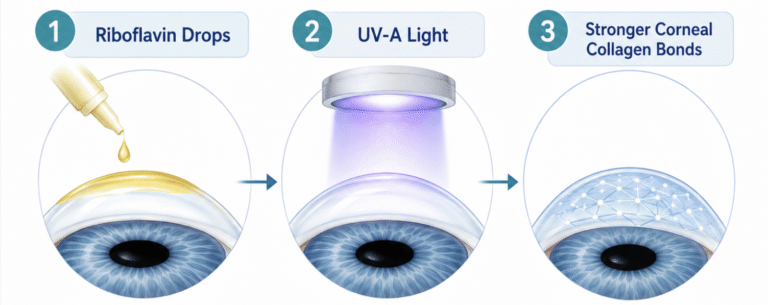
How AI Is Changing Eye Care
Cataract,cornea,Eye Health,Featured,Glaucoma,Intraocular Lens,Keratoconus,LASIK,Medical News,Medical Technology,What's New
Most people think of artificial intelligence as something that belongs in smartphones, search engines, or futuristic robots. But AI is already becoming part of modern medicine — and eye care is one of the fields where it may have the greatest impact. Why the eyes? Because eye care relies heavily on data. Retinal photographs, OCT…
Read More
Technology Spotlight: OPD Scan III
astigmatism,Cataract,cornea,Cross-Linking,Dry Eye,Eye Exam,Intraocular Lens,Keratoconus,Medical Technology
OPD Scan III is a multi-function imaging device that measures how light travels through the eye and maps the shape of the cornea, helping diagnose vision problems, plan cataract surgery, and monitor ocular surface disease and dry eye. It combines several tests into one quick, non-invasive scan, giving your eye doctor a “big picture” view…
Read More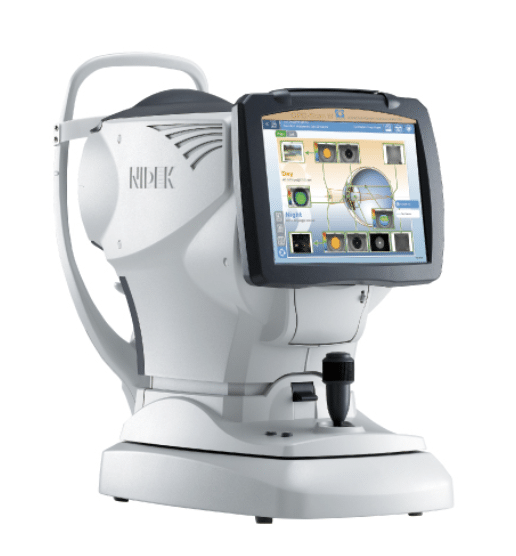
Laser Vision Correction for Keratoconus?
cornea,Corneal Transplant,Cross-Linking,Eye Health,Keratoconus
Keratoconus (KCN) is a progressive eye disease affecting approximately 1 in 1,000 people, typically beginning in adolescence or young adulthood1. This condition causes the cornea to thin and bulge into a cone-like shape, resulting in blurred vision, sensitivity to light, glare, and significant quality-of-life impacts. At North Toronto Eye Care, advanced treatments like Corneal Collagen Cross-Linking (CXL)…
Read More
What is Keratoconus and How Does Vitamin D play a Role?
Cross-Linking,Eye Exam,Eye Health,Keratoconus,What's New
Keratoconus is a progressive corneal disorder that typically begins in adolescence or early adulthood in which the cornea – normally clear and dome-shaped, becomes thinner and protrudes into a cone-like profile. This irregular shape of the cornea affect the way light enters the eye, leading to irregular astigmatism and visual impairment. As a result, individuals…
Read More